In the rapidly evolving landscape of the 21st-century global economy, the traditional paradigm of higher education is undergoing unprecedented scrutiny. Historically, universities have been revered as bastions of academic rigor, primarily focusing on cultivating technical proficiency and disseminating theoretical knowledge. However, as automation and artificial intelligence increasingly handle routine cognitive tasks, the professional realm is placing a premium on a different set of competencies: soft skills.
Soft skills—encompassing critical thinking, emotional intelligence, cross-cultural communication, and adaptability—are now deemed indispensable for career longevity and organizational leadership. Despite their growing significance, a palpable discrepancy exists between the skills graduates possess and the expectations of prospective employers. Many corporations lament that while recent alumni are highly proficient in their specific disciplines, they frequently lack the interpersonal acumen required to navigate complex, collaborative work environments.
The challenge for higher education institutions lies in effectively integrating soft skill development into an already demanding academic curriculum. Unlike hard skills, which can be evaluated through standardized testing, soft skills are inherently subjective and notoriously difficult to quantify. Traditional lecture-based pedagogical methods are ill-equipped to foster these attributes. Instead, cultivating these competencies requires experiential learning, such as interdisciplinary projects, internships, and collaborative problem-solving simulations.
Furthermore, faculty members, who are typically selected and promoted based on their research output rather than their pedagogical innovation, may lack the incentive or expertise to teach soft skills effectively. Overcoming this hurdle necessitates a systemic shift within academic institutions, prioritizing comprehensive student development alongside traditional academic achievements.
In conclusion, if higher education is to remain relevant and fulfill its mandate of preparing students for the future, it must recalibrate its focus. By bridging the gap between theoretical knowledge and practical interpersonal abilities, universities can equip graduates with the holistic skill set necessary to thrive in an increasingly complex and unpredictable professional landscape.
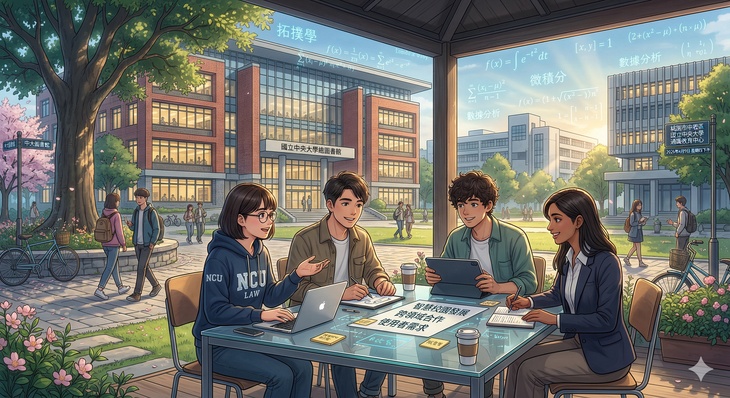
Challenges in Soft Skills and Higher Education
中文翻譯
在21世紀全球經濟快速演變的格局中,高等教育的傳統典範正經歷前所未有的審視。從歷史上看,大學一直被尊崇為學術嚴謹的堡壘,主要致力於培養技術熟練度與傳播理論知識。然而,隨著自動化和人工智慧日益處理常規的認知任務,專業領域越來越看重另一套能力:軟技能。軟技能——包含批判性思考、情緒智商、跨文化溝通和適應能力——現在被認為是職業生涯長壽和組織領導力不可或缺的條件。儘管其重要性日益增加,但畢業生所擁有的技能與潛在雇主的期望之間卻存在著明顯的落差。許多企業感嘆,雖然剛畢業的校友在他們的特定學科中非常熟練,但他們經常缺乏駕馭複雜、協作工作環境所需的人際敏銳度。
高等教育機構面臨的挑戰,在於如何將軟技能的發展有效地融入已經相當繁重的學術課程中。不同於可以透過標準化測驗來評估的硬技能,軟技能本質上是主觀的,且出了名地難以量化。傳統以講授為基礎的教學方法無法勝任培養這些特質的工作。相反地,培養這些能力需要體驗式學習,例如跨學科專案、實習和協作解決問題的模擬。
此外,通常是根據研究產出而非教學創新來選拔和晉升的大學教職員,可能缺乏有效教授軟技能的誘因或專業知識。克服這項障礙需要學術機構內部進行系統性的轉變,將學生的全面發展與傳統的學術成就置於同等優先的地位。
總結來說,如果高等教育要保持其相關性並履行其為學生準備好面對未來的使命,它就必須重新調整其焦點。透過彌合理論知識與實用人際交往能力之間的差距,大學可以為畢業生配備在日益複雜和不可預測的專業領域中蓬勃發展所需的整體技能。
🔑 重點單字 (Vocabulary)
- paradigm n.. 典範;範例
- scrutiny n.. 仔細審查
- indispensable adj.. 不可或缺的
- palpable adj.. 明顯的;可感知的
- discrepancy n.. 差異;不一致
- acumen n.. 敏銳度;聰明
- pedagogical adj.. 教學的;教育學的
- interdisciplinary adj.. 跨學科的
- incentive n.. 動力;誘因
- holistic adj.. 全面的;整體的
掌握一種語言等於擁有一個新世界
 語言健身房 https://www.langym.com 提供
語言健身房 https://www.langym.com 提供
