
Social movements in developing nations have changed a lot in recent years. In the past, people usually protested on the streets mainly to ask for basic human rights or food. Today, the reasons for these movements are more complex, and the ways people organize them are very different from before.
One of the biggest trends is the use of digital technology. With the rapid rise of smartphones and social media, news can spread across a country in just a few minutes. Young people, who are very familiar with the internet, use platforms like Twitter and Facebook to share information and organize large events. This digital connection makes it easier for people to unite and demand change without needing a traditional leader to guide them.
Another important trend is the deep focus on economic inequality and corruption. In many developing nations, the gap between the rich and the poor is growing wider every day. Citizens are angry that a small group of people holds most of the wealth and political power. Therefore, modern social movements often demand fairer economic policies and honest governments. They want their leaders to be more transparent and accountable for their actions.
Furthermore, environmental issues are becoming a major reason for protests. As global climate change affects developing countries more severely, people are fighting to protect their land, forests, and clean water. They are asking their governments to stop illegal logging and the heavy pollution caused by large factories.
Moreover, these local movements often gain international attention. Activists connect with global organizations to get support and share their experiences with the world.
In conclusion, social movements in developing nations are no longer just small, local events. They are highly organized, digitally connected, and focused on a wide range of important issues. As these trends continue, governments will need to listen more carefully to the voices of their people to maintain national peace and stability.
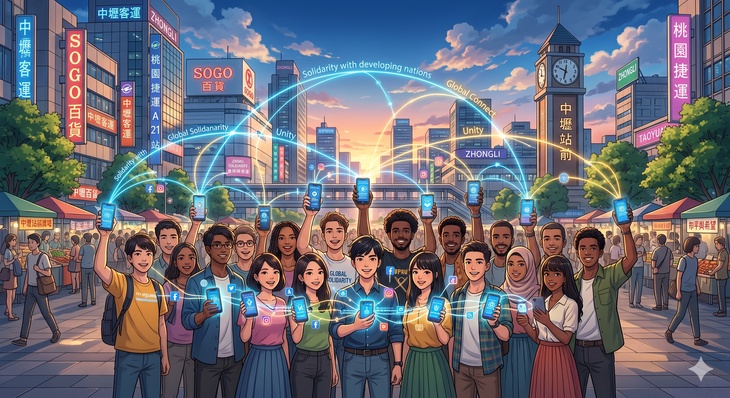
Trends in Social Movements in Developing Nations
中文翻譯
近年來,發展中國家的社會運動發生了很大的變化。在過去,人們通常在街頭抗議,主要是為了爭取基本人權或食物。今天,這些運動的原因更加複雜,人們組織它們的方式也與以往大不相同。最大的趨勢之一是數位科技的使用。隨著智慧型手機和社群媒體的迅速崛起,新聞可以在短短幾分鐘內傳遍全國。對網路非常熟悉的年輕人,利用推特和臉書等平台分享資訊並組織大型活動。這種數位連結讓人們更容易團結起來要求改變,而不需要傳統領袖來引導他們。
另一個重要的趨勢是對經濟不平等和腐敗的深度關注。在許多發展中國家,貧富差距日益擴大。公民對於少數人掌握了大部分財富和政治權力感到憤怒。因此,現代社會運動經常要求更公平的經濟政策和誠實的政府。他們希望領導人更加透明,並為他們的行為負責。
此外,環境問題正成為抗議的主要原因。隨著全球氣候變遷對發展中國家的影響越來越嚴重,人們正在奮力保護他們的土地、森林和乾淨的水源。他們要求政府停止非法伐木以及大型工廠造成的大量污染。
再者,這些在地運動經常獲得國際關注。社運人士與全球組織建立聯繫以獲得支持,並與世界分享他們的經驗。
總而言之,發展中國家的社會運動不再只是小型的在地事件。它們高度組織化、透過數位連結,並專注於廣泛的重要議題。隨著這些趨勢的持續,政府將需要更仔細地傾聽人民的聲音,以維持國家的和平與穩定。
🔑 重點單字 (Vocabulary)
- movement n.. 運動;活動
- complex adj.. 複雜的
- organize v.. 組織;籌辦
- inequality n.. 不平等
- corruption n.. 貪污;腐敗
- transparent adj.. 透明的;公開誠實的
- accountable adj.. 應負責任的
- severe adj.. 嚴重的;嚴厲的
- pollution n.. 污染
- stability n.. 穩定(性)
掌握一種語言等於擁有一個新世界
 語言健身房 https://www.langym.com 提供
語言健身房 https://www.langym.com 提供
