
Literature has always been a powerful tool for people to share their thoughts and emotions. Through stories and poems, writers can paint pictures of their cultures and histories. However, many experts believe that we are now facing a global crisis of literature expression. This means that the art of reading and writing deep, meaningful stories is slowly disappearing in the modern world.
One major reason for this crisis is the rapid rise of digital technology. Today, people are constantly surrounded by smartphones, social media, and short videos. These platforms offer quick entertainment that is very easy to consume. Because of this, fewer people have the patience to sit down and read a long novel. Young people, in particular, are spending more time looking at screens and less time reading books. This change in habit makes it difficult for writers to sell their work and share complex ideas.
Another challenge is censorship in some parts of the world. In certain countries, governments try to control what people can read or write. Writers who express different political views or discuss sensitive social issues may face serious problems. Their books might be banned, and they could even be put in jail. When writers are afraid to tell the truth, literature loses its power to inspire change and make people think critically.
Furthermore, the economic situation makes it hard to be a writer. Publishing a book costs a lot of money, and many talented authors cannot find a company to print their work. Even if a book is published, the writer might not make enough money to survive. This causes many creative minds to give up their dreams of writing and find other jobs instead.
Despite these challenges, literature remains a vital part of human culture. It helps us understand different perspectives and connects us across borders. To overcome this crisis, society needs to encourage reading habits from a young age and support local authors. Only by valuing literature can we ensure that the beautiful art of storytelling continues to thrive for future generations.
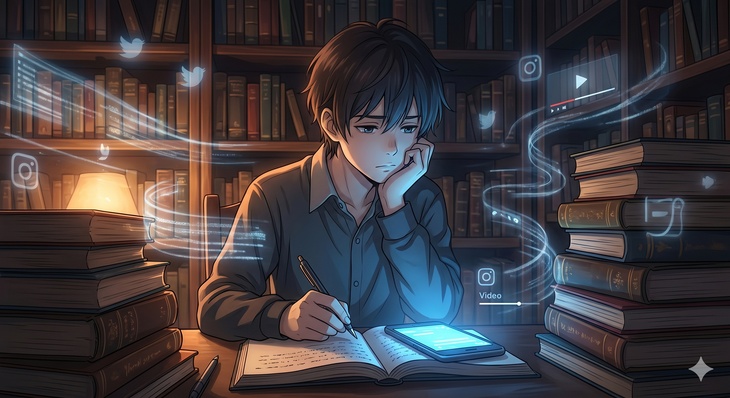
The Global Crisis of Literature Expression
中文翻譯
文學一直以來都是人們分享思想與情感的有力工具。透過故事和詩歌,作家可以描繪出他們文化和歷史的樣貌。然而,許多專家認為我們現在正面臨著一場全球性的文學表達危機。這意味著閱讀和寫作深刻、有意義故事的藝術正在現代世界中慢慢消失。造成這場危機的一個主要原因是數位科技的迅速崛起。今天,人們經常被智慧型手機、社群媒體和短影音所包圍。這些平台提供了非常容易消費的快速娛樂。正因為如此,越來越少人有耐心坐下來閱讀一本長篇小說。特別是年輕人,他們花更多時間看螢幕,而較少時間看書。這種習慣的改變使得作家很難銷售他們的作品並分享複雜的想法。
另一個挑戰是世界某些地區的審查制度。在某些國家,政府試圖控制人們可以閱讀或寫作的內容。表達不同政治觀點或討論敏感社會議題的作家可能會面臨嚴重的問題。他們的書可能會被禁,甚至可能被關進監獄。當作家害怕說出真相時,文學就失去了激發改變和讓人們批判性思考的力量。
此外,經濟狀況也讓人很難成為一名作家。出版一本書要花很多錢,許多才華洋溢的作者找不到公司來印刷他們的作品。即使一本書出版了,作家可能也賺不到足夠的錢來生存。這導致許多有創造力的人放棄了他們寫作的夢想,轉而尋找其他工作。
儘管面臨這些挑戰,文學仍然是人類文化中不可或缺的一部分。它幫助我們了解不同的觀點,並跨越國界將我們連結在一起。為了解決這場危機,社會需要從小鼓勵閱讀習慣並支持在地作家。只有透過重視文學,我們才能確保說故事這門美麗的藝術在未來的世代中繼續蓬勃發展。
🔑 重點單字 (Vocabulary)
- literature n.. 文學
- expression n.. 表達;表示
- crisis n.. 危機
- constant adj.. 持續不斷的
- consume v.. 消費;消耗
- patience n.. 耐心
- sensitive adj.. 敏感的
- publish v.. 出版;發行
- perspective n.. 觀點;視角
- overcome v.. 克服;戰勝
掌握一種語言等於擁有一個新世界
 語言健身房 https://www.langym.com 提供
語言健身房 https://www.langym.com 提供
