
In the contemporary geopolitical landscape, the intersection of armed conflict and diplomatic maneuvering has never been more precarious. As regional skirmishes threaten to escalate into broader conflagrations, the international community finds itself grappling with unprecedented humanitarian crises. The efficacy of traditional diplomacy is being rigorously tested against a backdrop of deeply entrenched historical grievances and rapidly shifting global alliances.
When a crisis erupts, the immediate priority for global leaders is to mitigate the humanitarian toll. However, brokering a ceasefire often proves to be a Herculean task. Diplomatic envoys must navigate a labyrinth of political rhetoric and uncompromising demands from belligerent factions. Economic sanctions, frequently employed as a coercive tool to force adversaries to the negotiating table, sometimes yield unintended consequences. These measures can exacerbate the suffering of civilian populations rather than efficiently dismantling the military apparatus of the targeted regime.
Furthermore, the role of multilateral organizations, such as the United Nations, is frequently scrutinized during these volatile periods. While they provide a crucial forum for dialogue and the distribution of vital aid, their ability to enforce resolutions is often hampered by the veto powers of influential member states. This systemic paralysis can lead to a protracted stalemate, prolonging the agony of those caught in the crossfire.
In the digital age, the dynamics of conflict have also been irrevocably altered. Disinformation campaigns and cyber warfare run parallel to kinetic battles, manipulating public perception and complicating diplomatic outreach. Diplomats must now counteract false narratives in real-time, making the quest for consensus even more elusive.
Ultimately, resolving modern crises requires a multifaceted approach. It demands not only the cessation of hostilities but also a steadfast commitment to addressing the root causes of the discord. Until nations prioritize collaborative de-escalation over unilateral geopolitical gains, the shadow of conflict will continue to loom large, challenging the very foundations of international law and order.
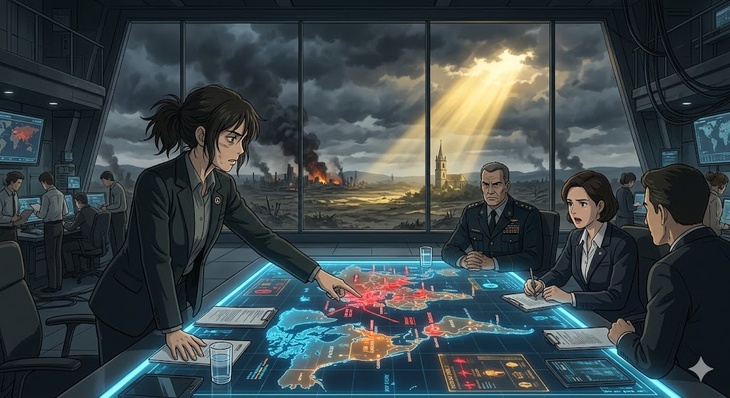
Diplomacy and Crisis amidst Conflict
中文翻譯
在當代的地緣政治版圖中,武裝衝突與外交斡旋的交集從未如此岌岌可危。隨著區域性的小衝突威脅著要升級為更廣泛的戰火,國際社會發現自己正努力應對史無前例的人道危機。傳統外交的效力,正處於根深蒂固的歷史恩怨和快速變遷的全球聯盟背景下,受到嚴格的考驗。當危機爆發時,全球領導人的首要任務是減輕人道傷亡。然而,促成停火往往被證明是一項艱鉅的任務。外交使節必須在政治辭令的迷宮以及交戰派系毫不妥協的要求中摸索前進。經濟制裁經常被用作迫使對手走上談判桌的脅迫工具,但有時會產生意想不到的後果。這些措施可能會加劇平民百姓的苦難,而不是有效地瓦解目標政權的軍事機構。
此外,多邊組織(如聯合國)在這些動盪時期的作用經常受到仔細審視。雖然它們為對話和分配重要援助提供了關鍵的論壇,但它們執行決議的能力往往受到具影響力成員國否決權的阻礙。這種系統性的癱瘓可能導致曠日廢時的僵局,延長了那些被夾在交火中人們的痛苦。
在數位時代,衝突的動態也發生了不可挽回的改變。假訊息活動和網路戰與實體戰鬥並行,操縱著公眾認知並使外交拓展變得複雜。外交官現在必須即時反制虛假敘事,這使得尋求共識變得更加難以捉摸。
最終,解決現代危機需要一種多面向的方法。它不僅要求停止敵對行動,還需要堅定地致力於解決不和的根本原因。除非各國將合作降溫置於單方面的地緣政治利益之上,否則衝突的陰影將繼續籠罩,挑戰國際法與秩序的根基。
🔑 重點單字 (Vocabulary)
- precarious adj.. 岌岌可危的;不穩定的
- escalate v.. 升級;惡化
- grievance n.. 不平;委屈;恩怨
- belligerent adj.. 交戰的;好戰的
- coercive adj.. 強制的;脅迫的
- scrutinize v.. 仔細審查
- protracted adj.. 曠日廢時的;拖延的
- stalemate n.. 僵局
- irrevocably adv.. 不可挽回地
- unilateral adj.. 單方面的
掌握一種語言等於擁有一個新世界
 語言健身房 https://www.langym.com 提供
語言健身房 https://www.langym.com 提供
