
Artificial Intelligence, or AI, is no longer just a topic in science fiction movies. It has become a real and important part of our daily lives. From the moment we wake up to the time we go to sleep, AI is working behind the scenes. It helps our smartphones recognize our faces, suggests what videos we should watch next, and even helps doctors find diseases earlier. Because AI is so useful, many people believe it will bring a better future for everyone.
However, as AI becomes smarter, it also brings up some serious questions about humanity. One major concern is about jobs. Some people worry that intelligent robots and computer programs will replace human workers. For example, if self-driving cars become common, what will happen to taxi drivers and truck drivers? While AI can create new types of jobs, it might also leave many people without work. This means society must find ways to train people for the new skills they will need.
Another big question is about feelings and creativity. Can a computer truly understand human emotions? Can an AI paint a beautiful picture or write a touching poem? Currently, AI can copy human art and write stories by analyzing millions of examples from the internet. Yet, many artists argue that true creativity comes from human experiences, mistakes, and emotions—things that a machine does not have.
Furthermore, we must think about how much control we give to AI. If a smart machine makes a mistake, who is responsible? It is very important that humans continue to make the final decisions, especially in critical areas like healthcare and law.
In conclusion, Artificial Intelligence is a powerful tool that can greatly improve our lives. However, we should not forget what makes us human. By exploring the balance between technology and humanity, we can use AI to help us, rather than let it control us.
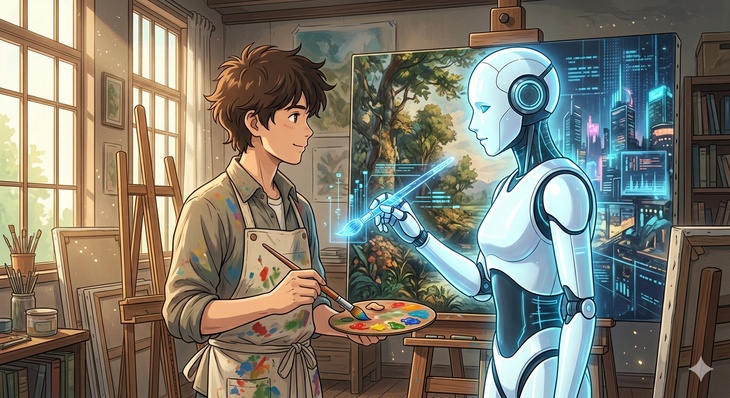
Exploring Artificial Intelligence and Humanity
中文翻譯
人工智慧(簡稱 AI)不再只是科幻電影裡的話題。它已經成為我們日常生活中真實且重要的一部分。從我們醒來的那一刻到我們入睡的時間,AI 都在幕後運作。它幫助我們的智慧型手機辨識我們的臉、建議我們接下來該看什麼影片,甚至幫助醫生更早發現疾病。因為 AI 是如此有用,許多人相信它將為每個人帶來更美好的未來。然而,隨著 AI 變得越來越聰明,它也引發了一些關於人性的嚴肅問題。一個主要的擔憂是關於工作。有些人擔心聰明的機器人和電腦程式會取代人類勞工。例如,如果自駕車變得很普遍,計程車司機和卡車司機將會發生什麼事?雖然 AI 可以創造新類型的工作,但它也可能讓許多人失業。這意味著社會必須找到方法來訓練人們具備他們將需要的新技能。
另一個大問題是關於情感和創造力。電腦能真正理解人類的情感嗎?AI 能畫出一幅美麗的畫或寫出一首動人的詩嗎?目前,AI 可以透過分析網路上數百萬個範例來模仿人類藝術和寫故事。然而,許多藝術家主張,真正的創造力來自人類的經驗、錯誤和情感——這些都是機器所沒有的東西。
此外,我們必須思考我們要給予 AI 多少控制權。如果一台聰明的機器犯了錯,誰該負責?人類繼續做出最終決定是非常重要的,尤其是在醫療保健和法律等關鍵領域。
總結來說,人工智慧是一個可以極大地改善我們生活的強大工具。然而,我們不應該忘記是什麼讓我們成為人類。透過探索科技與人性之間的平衡,我們可以使用 AI 來幫助我們,而不是讓它控制我們。
🔑 重點單字 (Vocabulary)
- artificial adj.. 人造的;人工的
- intelligence n.. 智慧;智力
- recognize v.. 辨認;認出
- replace v.. 取代;代替
- creativity n.. 創造力
- emotion n.. 情感;情緒
- analyze v.. 分析
- responsible adj.. 負責任的;應負責任的
- critical adj.. 關鍵的;危急的;批評的
- balance n. / v.. 平衡
掌握一種語言等於擁有一個新世界
 語言健身房 https://www.langym.com 提供
語言健身房 https://www.langym.com 提供
