
Classical music is often praised for its beauty and ability to touch the human soul. For centuries, it has been an important part of culture and art. However, when we look closely at classical music and society, we can find several ethical issues. Ethics is about what is right and wrong. So, what are the ethical problems in the world of classical music?
First, there is the issue of access and equality. Historically, classical music was mostly enjoyed by kings, queens, and wealthy people. Even today, tickets for classical concerts or operas can be very expensive. Furthermore, learning to play instruments like the violin or piano costs a lot of money. Is it fair that only people with money can enjoy or learn this art? Many people believe that society has an ethical duty to make classical music accessible to everyone, including poor children.
Second, we must consider the personal lives of the artists. Some famous composers from the past had very bad behavior or supported terrible governments. This brings up a difficult question: should we separate the art from the artist? Some argue that beautiful music is independent of the person who wrote it. Others believe that by playing their music, we are honoring bad people. This debate continues in concert halls today.
Finally, there is the problem of funding. Orchestras need a lot of money to perform. Sometimes, this money comes from large companies that pollute the environment or treat their workers poorly. If an orchestra accepts this money, are they supporting bad actions? This is a serious ethical challenge for art organizations.
In conclusion, classical music is not just about beautiful sounds. It is deeply connected to society and ethics. By discussing these issues, we can help create a fairer and more responsible world for both artists and audiences.
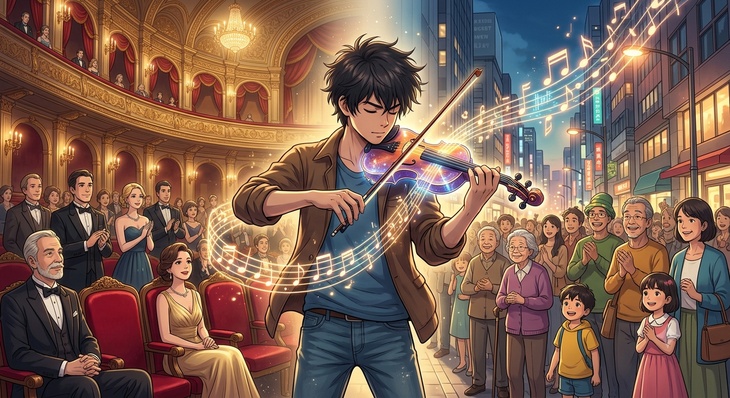
The Ethics of Classical Music and Society
中文翻譯
古典音樂通常因其美麗和觸動人心的能力而受到讚揚。幾個世紀以來,它一直是文化與藝術的重要組成部分。然而,當我們仔細觀察古典音樂與社會時,可以發現幾個倫理問題。倫理是關於對與錯的觀念。那麼,在古典音樂的世界裡有哪些倫理問題呢?首先是近用權與平等的議題。從歷史上看,古典音樂主要由國王、王后和富人所享受。即使在今天,古典音樂會或歌劇的門票也可能非常昂貴。此外,學習演奏小提琴或鋼琴等樂器需要花費大量金錢。只有有錢人才能享受或學習這門藝術,這樣公平嗎?許多人認為社會有倫理責任讓每個人都能接觸到古典音樂,包括貧窮的孩子。
其次,我們必須考慮藝術家的個人生活。過去一些著名的作曲家有著非常糟糕的行為,或是支持可怕的政府。這帶來了一個困難的問題:我們應該將藝術與藝術家分開嗎?有些人主張,優美的音樂獨立於創作它的人。另一些人則認為,演奏他們的音樂就是在向壞人致敬。這場辯論至今仍在音樂廳中持續著。
最後是資金的問題。管弦樂團需要大量資金才能演出。有時候,這些錢來自於汙染環境或苛待員工的大型公司。如果一個管弦樂團接受了這些錢,他們是在支持不良行為嗎?這對藝術組織來說是一個嚴重的倫理挑戰。
總結來說,古典音樂不僅僅是優美的聲音。它與社會和倫理有著深刻的連結。透過討論這些議題,我們可以幫助為藝術家和觀眾創造一個更公平、更負責任的世界。
🔑 重點單字 (Vocabulary)
- praise v.. 讚揚;稱讚
- ethical adj.. 倫理的;道德的
- equality n.. 平等
- wealthy adj.. 富有的
- accessible adj.. 可接近的;可得到的
- composer n.. 作曲家
- separate v.. 分開;分離
- independent adj.. 獨立的
- fund v. / n.. 提供資金;資金
- responsible adj.. 負責任的
掌握一種語言等於擁有一個新世界
 語言健身房 https://www.langym.com 提供
語言健身房 https://www.langym.com 提供
