
The realm of literature serves as a profound mirror, reflecting the evolving complexities of human identity across different epochs. Literary classics, often perceived merely as archaic texts relegated to dusty library shelves, actually possess an enduring resonance. They articulate universal themes such as love, ambition, betrayal, and the quest for meaning that transcend their original historical contexts. However, in contemporary society, the way we interpret these masterpieces is increasingly being re-evaluated through the lens of modern identity and multiculturalism.
When modern readers engage with classical literature, they often encounter a stark contrast between the traditional values depicted and the diverse realities of the 21st century. Historically, the Western literary canon has been predominantly shaped by a specific demographic, inadvertently marginalizing the voices of minorities and indigenous cultures. Consequently, contemporary scholars and educators are advocating for a more inclusive approach to reading. They argue that to truly celebrate these classics, we must critically analyze them, acknowledging their historical biases while extracting the timeless wisdom they offer.
This critical engagement allows for a fascinating synthesis of old and new. Modern authors are increasingly drawing inspiration from classical narratives, reimagining them to reflect contemporary societal issues. For instance, classic mythological tales are being retold from the perspectives of historically silenced characters, injecting fresh vitality into ancient plots. This creative reinterpretation not only pays homage to the original works but also validates the diverse identities of modern readers, allowing them to see their own struggles and triumphs reflected in the grand tapestry of human literature.
Furthermore, the digital age has democratized access to these texts, fostering global communities of readers who can debate and deconstruct literary themes across cultural boundaries. This unprecedented connectivity ensures that literary classics are no longer monolithic relics but dynamic catalysts for ongoing cultural dialogue.
In conclusion, revitalizing literary classics in the modern era does not necessitate blind reverence. Instead, it requires a nuanced appreciation that embraces critical thinking and cultural diversity. By continuously interrogating and reimagining these foundational texts, we forge a stronger connection between our inherited past and our multifaceted modern identity, ensuring that literature remains a vital, living art form.
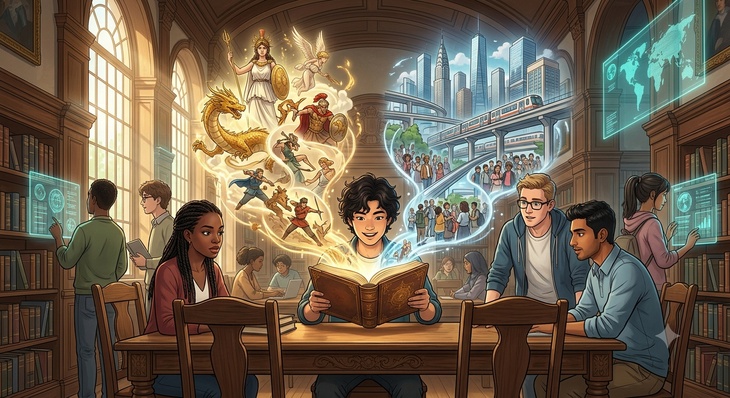
Revitalizing Literary Classics through Modern Identity
中文翻譯
文學領域是一面深邃的鏡子,反映了人類身分認同在不同時代中不斷演變的複雜性。文學經典通常被僅僅視為被貶謫到布滿灰塵的圖書館書架上的古老文本,但實際上它們擁有持久的共鳴。它們闡述了超越其原始歷史背景的普世主題,例如愛、野心、背叛以及對意義的追尋。然而,在當代社會,我們詮釋這些傑作的方式正越來越多地透過現代身分認同與多元文化的視角被重新評估。當現代讀者接觸古典文學時,他們經常會遇到所描繪的傳統價值觀與 21 世紀多元現實之間的鮮明對比。從歷史上看,西方文學經典主要由特定的人口群體所塑造,不經意地邊緣化了少數群體和原住民文化的聲音。因此,當代學者和教育工作者正在提倡一種更具包容性的閱讀方式。他們主張,要真正頌揚這些經典,我們必須對其進行批判性分析,承認其歷史偏見,同時汲取它們提供的永恆智慧。
這種批判性的參與促成了新與舊的迷人融合。現代作家越來越多地從古典敘事中汲取靈感,重新想像它們以反映當代社會議題。例如,經典的神話故事正從歷史上被噤聲的角色的角度被重新講述,為古老的情節注入了新的活力。這種創造性的重新詮釋不僅向原著致敬,也認可了現代讀者的多元身分認同,讓他們能夠在人類文學的宏大織錦中看到自己的奮鬥與勝利。
此外,數位時代使獲取這些文本的途徑民主化(大眾化),培育了能跨越文化邊界辯論和解構文學主題的全球讀者社群。這種史無前例的連結性確保了文學經典不再是單一的遺跡,而是持續進行文化對話的動態催化劑。
總結來說,在現代重振文學經典並不需要盲目的崇敬。相反地,它需要一種擁抱批判性思考和文化多樣性的細微欣賞。透過不斷地質問和重新想像這些奠基性的文本,我們在繼承的過去和多面向的現代身分認同之間建立了更緊密的聯繫,確保文學仍然是一種充滿活力的、鮮活的藝術形式。
🔑 重點單字 (Vocabulary)
- profound adj.. 深奧的;深刻的
- archaic adj.. 古老的;過時的
- resonance n.. 共鳴;迴響
- contemporary adj.. 當代的;現代的
- marginalize v.. 使邊緣化;忽視
- bias n.. 偏見;成見
- synthesis n.. 綜合;融合
- deconstruct v.. 解構;拆解分析
- monolithic adj.. 單一龐大的;一塊巨石的
- nuanced adj.. 微妙的;有細微差別的
掌握一種語言等於擁有一個新世界
 語言健身房 https://www.langym.com 提供
語言健身房 https://www.langym.com 提供
